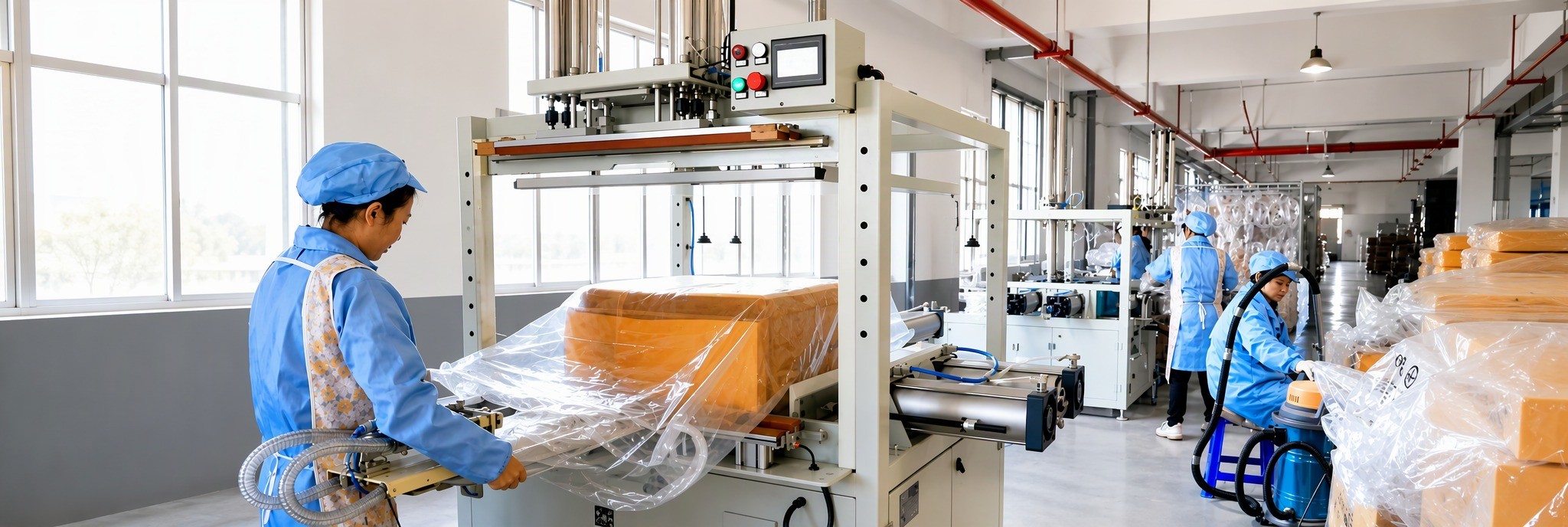
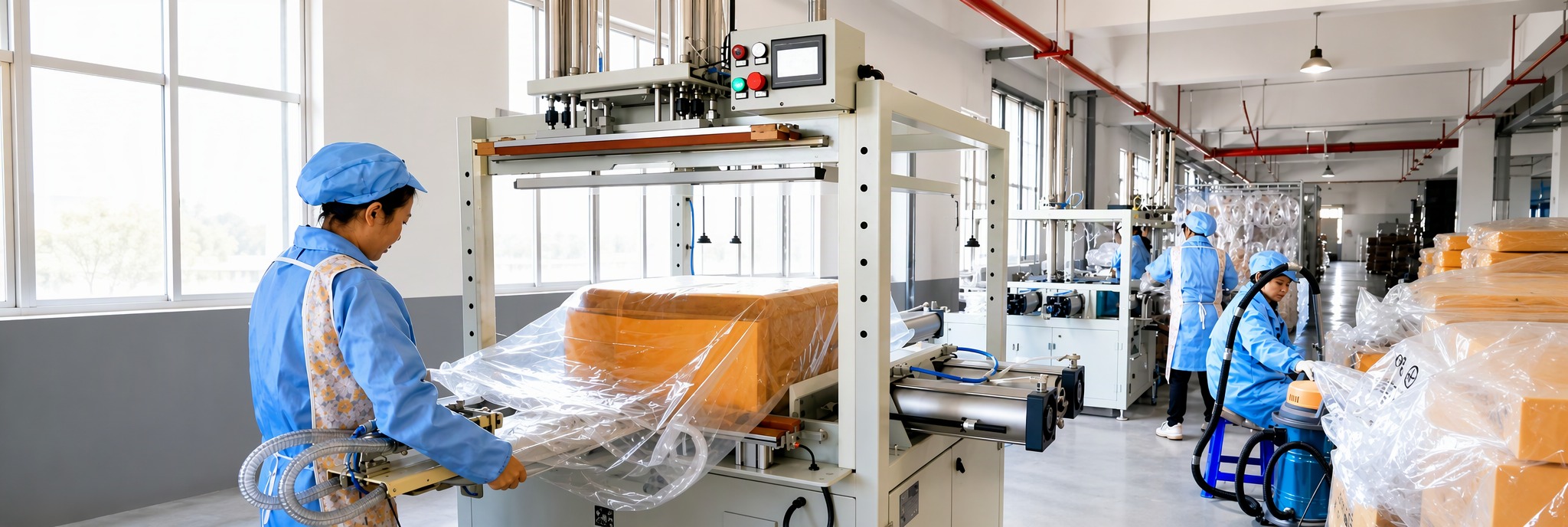
Material selection should support the product’s intended performance, not only its appearance.
Foam may need to be considered by density, firmness, thickness, recovery, odor, curing and batch consistency. A seat, backrest, armrest or climbing element may not need exactly the same configuration.
Fabric selection also affects the finished product. Weight, width, nap direction, stretch, color consistency, abrasion, shrinkage, pilling and sewing behavior can influence the cover fit and the appearance of the final sample.
Materials should be reviewed together with the customer’s requirements and the target market. Supplier statements alone are not a substitute for appropriate material records, batch management and any required documentation or testing.
For Tenderplay, the material decision is connected to product use, cost, maintenance, packaging and repeat orders. This helps the brand avoid choosing a material that looks good in isolation but creates problems during sewing, compression or future production.
Suggested image: foam preparation, fabric inspection and production material samples. The image should show how material choices support product development, not simply display raw materials.